

It allows them to manage their cash flows better by making a lump-sum payment up front, thus not having to account for monthly or periodic payments for the whole coverage period. Prepaid insurance represents an advance payment for future coverage and is recorded as a current asset until the policy period begins. As coverage is used, it gradually shifts from an asset to an expense, reflecting the cost consumed over time. The business would record the prepaid insurance as an asset on the balance sheet and amortize the expense over the one-year coverage period. In accounting, a debit is an entry in a double-entry accounting system that increases assets or decreases liabilities on a company’s balance sheet. It increases liability, equity, or revenue accounts or decreases an asset or expense account.
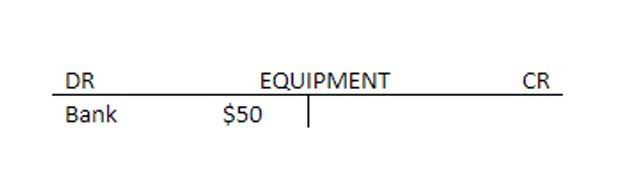
Credit cash or bank account

When a business pays the premium, the total premium paid is recorded on the balance sheet as a debit to the prepaid insurance account (an asset account). This is because the payment represents a future benefit, the insurance protection that has not yet been used. Accountants must regularly review prepaid insurance accounts Certified Bookkeeper to adjust for expiration or consumption.
Prepaid Expense Reconciliation
This does not create a credit balance in the prepaid insurance account itself; rather, it establishes a debit balance representing the asset. What is bookkeeping The credit balance appears in the account being credited (e.g., cash), reflecting the reduction in that asset. In conclusion, understanding prepaid insurance is essential for accurate financial accounting and reporting.

Example 4: Prepaid Maintenance Journal Entry
This practice offers notable advantages, including enhanced financial stability and improved creditworthiness for businesses. From the policyholder’s perspective, the appeal of prepaid insurance lies in the potential for cost savings. By paying in advance, policyholders may secure lower rates, avoid monthly service charges, and eliminate the risk of missed payments leading to lapses in coverage.
- However, the initial journal entry for a prepaid expense does not affect a company’s financial statements.
- The amount of the insurance premiums that remain prepaid at the end of each accounting period are reported in the current asset account, Prepaid Insurance.
- Additionally, reconciling prepaid accounts regularly ensures discrepancies are caught early, maintaining the integrity of your financial records.
- Both individuals and businesses must navigate these rules to ensure compliance and optimize their tax positions.
- By examining these aspects, policyholders can secure a plan that not only meets their current needs but also provides peace of mind for the future.
- This distorts financial statements, overstating expenses in the initial period and understating them in subsequent periods.
This standard mandates that transactions are recorded when they occur, not necessarily when cash changes hands. The primary when a business pays for insurance prepaid insurance is objective of the accrual basis is to ensure that all financial statements accurately reflect the company’s performance during a specific period. On the income statement, the amortized portion of the prepaid insurance appears as an insurance expense. Accurately recording prepaid insurance is crucial for presenting a true and fair view of the company’s financial position and performance. The most common type of prepaid insurance for a business is liability coverage, which pays for legal defense costs if someone files a lawsuit against them. This type of prepaid expense could affect both cash flow and bookkeeping practices, depending on when the payments are due from the insurer.